

Wij zijn New. Wij zijn Brand Activators.
Onze naam zegt het al. Wij activeren merken en brengen daarmee doelgroepen in beweging. Dat doen we vanuit onze creatieve speeltuin in Veghel, Noord-Brabant. Hier bedenken en maken we heldere strategieën, vernieuwende merkconcepten, scorende campagnes, passende merkactivaties, oogstrelende designs en doordachte mediatactieken. Zo maken we van onze klanten de meest aantrekkelijke merken. Aantrekkelijke merken die als nieuw aanvoelen. Telkens weer.
Diensten
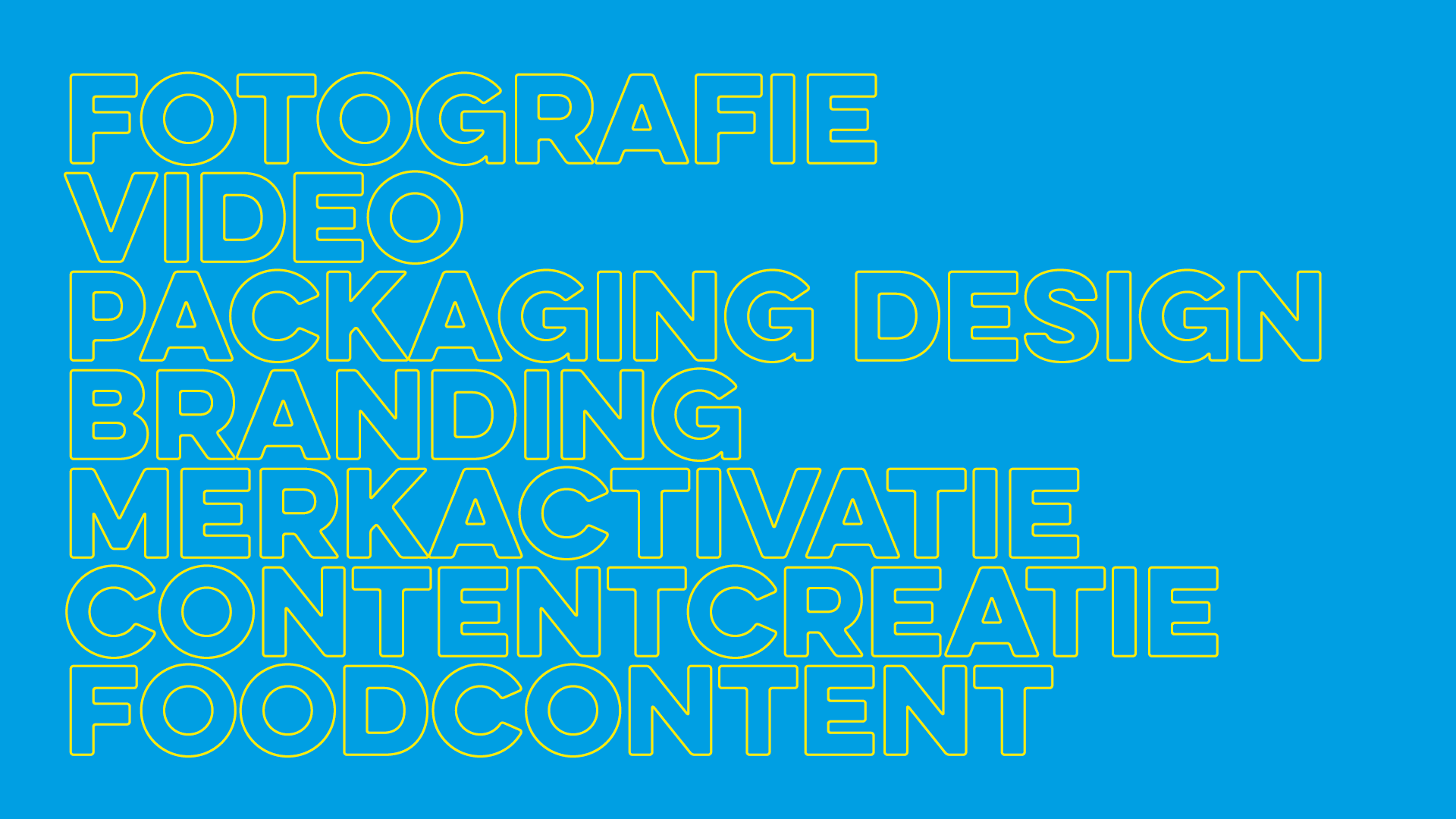
In al onze diensten zoeken we het nieuwe op. Want in nieuw ligt beweging. Van fotografie, video en packaging design tot branding, merkactivatie, contentcreatie en foodcontent.
Onze New. Cases.
Merken activeren. Ze spiksplinternieuw aan laten voelen. Dat is wat we doen. Eerst zien, dan geloven? Snappen we! Neem eens een kijkje bij onderstaande cases.
Onze New. Blogs.
New blijven = bijblijven. Op onze blogpagina delen we onze kennis, lees je inspirerende verhalen en laten we projecten zien in korte en lange blogs.

Een knap staaltje styling bij foodfotografie
Libéma. Foodcontent om van te watertanden Precies dát vangen in een foto wat de klant wil uitstralen. Tijdens een shootdag begint dit bij het opbouwen van…

Welkom New gastvrouw/trafficmanager Sandy
New. Brand Activators. ‘Mijn nieuwe functie past me als een handschoen’ Look who’s back: onze enige echte Sandy! En wel in een nieuwe (combi)functie.…

New Brand Activators lijft Studio Boefkik in
PERSBERICHT – VEGHEL - 15 APRIL 2024 Een strategische zet als onderdeel van een nieuwe positionering New Brand Activators (New) zet een nieuwe koers in. Met…
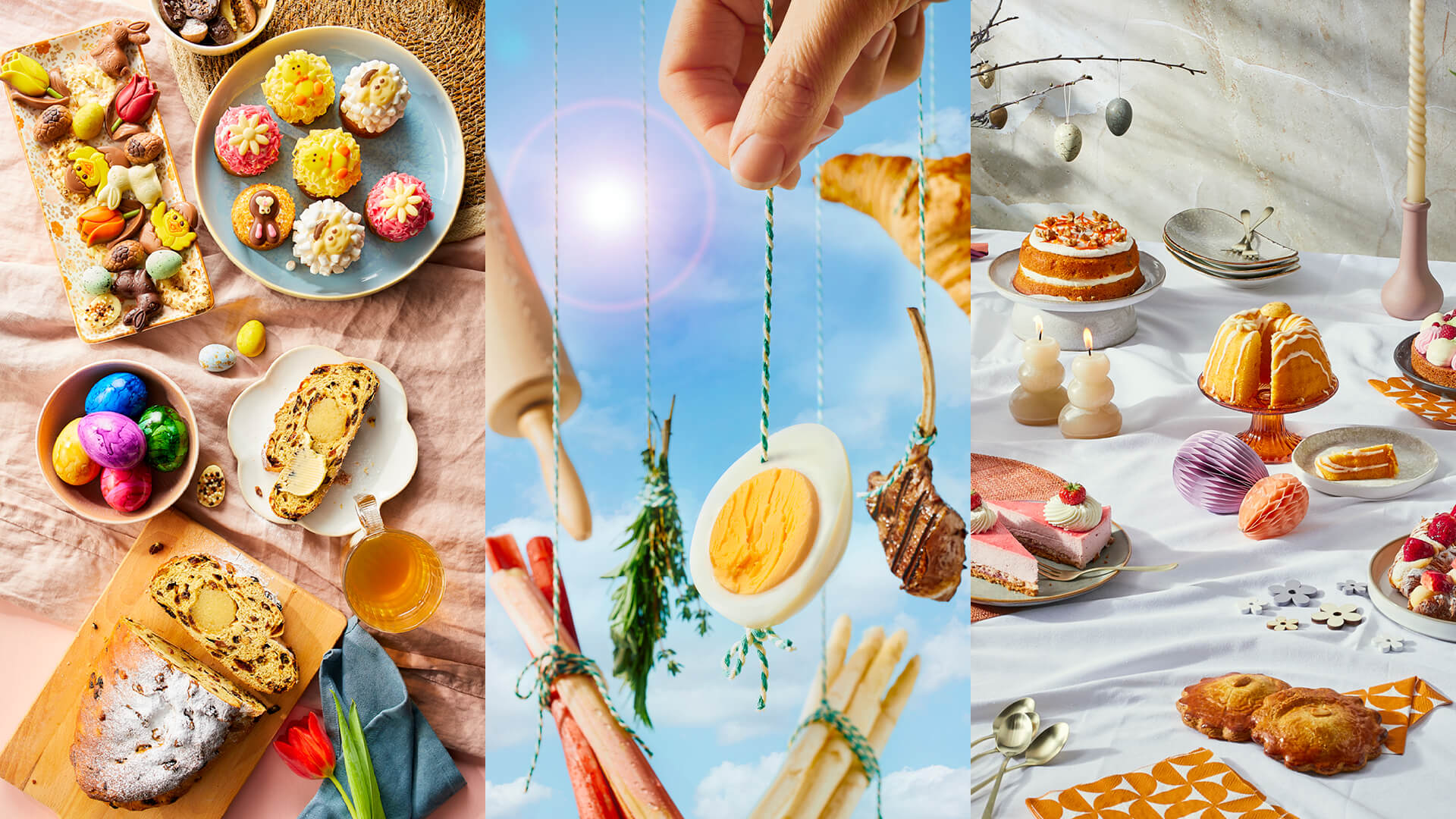
Pakkende paasinspiratie, mede mogelijk gemaakt door New
New. Brand Activators. Drie ei is een paasei Ook dit jaar hebben we voor verschillende merken ons paasbest gedaan om de meest smakelijke content te maken voor…
Wij werken voor.